
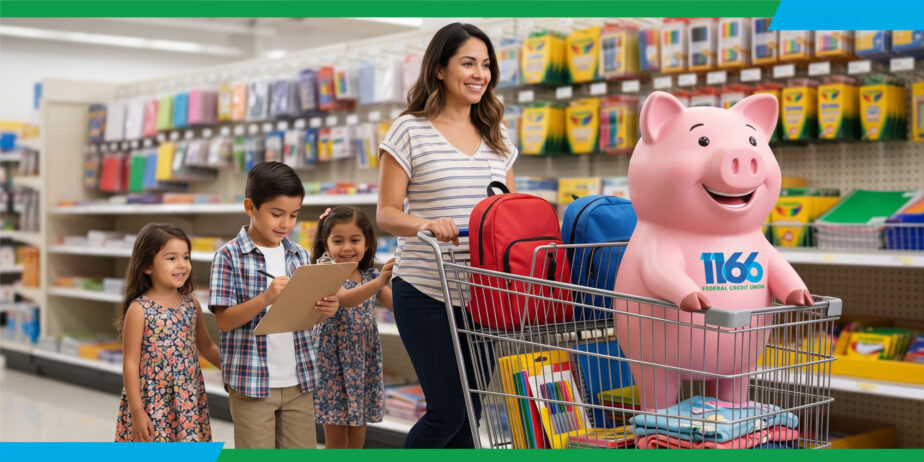
Whether you’re back-to-school shopping for a kindergartner or sending a kid off to college, the back-to-school season is one of the year’s biggest spending events. Here’s a “spend less, save more” guide to help you come out ahead.
What Are Families Really Spending This Year On Back-to-School Shopping
Dating myself a bit… but, back in my day, school shopping centered on scoring the latest TrapperKeeper (physical notebook organizer) and new jeans. And college shopping meant a new comforter, not designer dorm room decor. How times have changed! To know what your finances are facing, check out the 2025 national data for back-to-school shopping:

- For K–12 students, households are projected to spend an average of $850 to $900 this year for basic supplies (notebooks, folders, index cards), apparel and shoes, electronics (tablets, laptops, calculators), and extracurriculars.
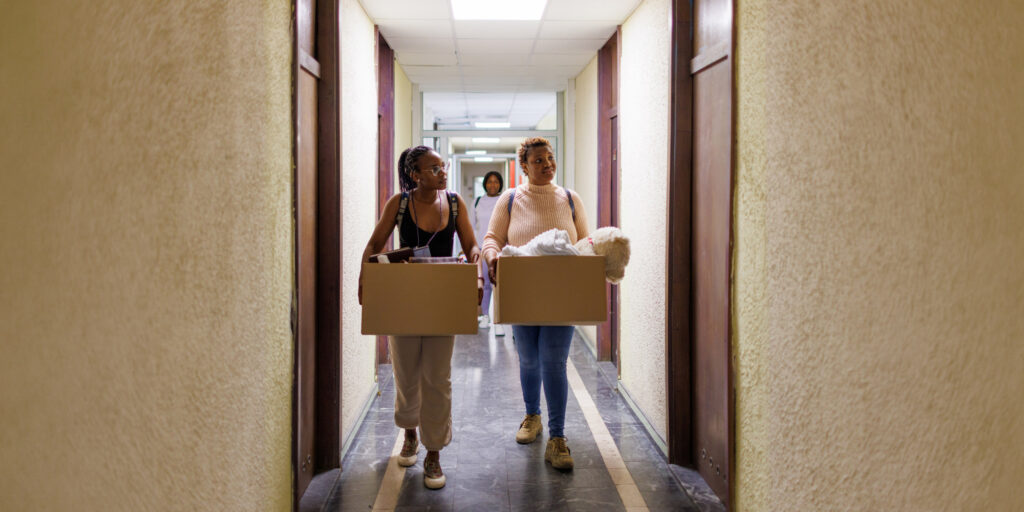
- For college students, the bulk goes toward electronics and dorm furnishings, averaging $1,365 per student, for a total of $88.8 billion— and that’s before tuition! On top of that, some parents are spending up to $20,000 on consultants and interior designers to glam out their students’ dorm rooms. As the late 80s college-themed sitcom tune notes, “it’s a different world than where I come from.”
Inflation has also played a role in back-to-school shopping costs, with basic supplies seeing some of the steepest year-over-year markups. Faced with this reality, and to keep spending under control, more than 80% of shoppers are leaning into smarter instincts by prioritizing value over brand names. Here are some other tips to keep more change in your purse, pocket, or piggy bank this year.
Build a Back-to-School Shopping Budget Before You Browse a Single Aisle
The single most powerful financial literacy move you can make isn’t finding a deal — it’s deciding in advance what you’re willing to spend. Follow this simple framework:
1. Audit before you buy. Go through last year’s supplies. Backpacks, pencil cases, binders, and calculators often have years of life left. One parent put it well: “They figure out if they can reuse anything — if they want to use that budget to buy new or reuse old so they have more for ‘wants’ like fancy notebooks or new sneakers.”
2. Separate needs from wants. Make two lists. Needs = what’s on the school supply list or required for class. Wants = the trendy water bottle, the name-brand sneakers, the color-coordinating set. Budget for needs first, then see what’s left for wants.
3. Involve your kids. Research shows that children who participate in budgeting decisions develop stronger financial skills. Give them a set dollar amount for certain categories and let them make trade-offs. The lesson is worth more than the supplies.
4. Spread purchases over time. Retailers bank on the late-August rush. Shopping in waves , such as buying supplies in July and clothes closer to the school year, lets you compare prices and avoid impulse buys.

Smart Ways to Save (Without Sacrificing Quality)
Shop sales tax holidays
New Jersey typically holds an annual back-to-school sales tax exemption window in late August. During this period, computers, school supplies, and qualifying clothing are exempt from the state’s 6.625% sales tax — meaningful savings on big-ticket items like laptops.
Use price comparison tools
Before buying electronics or supplies online, run a quick search on Google Shopping. Prices for the same item can vary $20–$50 between retailers, and many stores will price-match competitors.
Buy or rent digital textbooks
Physical textbooks — especially at the college level — are one of the fastest ways to drain a school budget. Renting, buying digital copies, or checking whether your school library offers free access can save big bucks!

Don’t miss these local savings
For our South Jersey neighbors, a couple of options can further offset costs:
- Local Supply Drives: Check with your school district, community centers, and local nonprofits for free backpack and supply giveaways. Organizations like Acenda Integrated Health and Center for Family Services often run drives leading into the school year.
- Community Facebook groups: Many towns have active buy-nothing or free-item groups where gently used school supplies, clothing, and furniture are given away.

Plan Now, Save All Season
Back-to-school spending is one of the most predictable annual expenses families face, which means it’s practical to plan for it. A little preparation before the late August rush goes a long way in keeping more coins in the piggy bank:
- Set a firm household budget for each student
- Audit what you already own before buying anything
- Take advantage of tax-free weekends
- Explore secondhand options for furniture, clothing, and electronics
- Involve your kids in the decision-making
The goal isn’t to spend as little as possible, it’s to spend intentionally so there are no regrets when the credit card bill arrives in September.
Every dollar you don’t spend on back-to-school shopping is a dollar that can keep working for you. Skipping the dorm room interior designer, shopping secondhand, hitting the tax-free weekend, and buying used textbooks can save your family hundreds to thousands of dollars this year. That’s real money worth putting somewhere it can grow instead of letting it sit idle in a checking account until the next expense comes along.
Enter our high-yield Money Market account.

Let 1166 Federal Credit Union Help Your Piggy Bank Grow
Once you’ve trimmed your back-to-school budget, put those savings somewhere they can actually earn something back.
Our Money Market Plus account offers our highest money market rate paired with our lowest required minimum deposit, so the money you saved this back-to-school season doesn’t just sit there — it works for you.
- 3.00% APY — one of our strongest rates available
- Just $2,500 minimum deposit to start earning
- 2 free withdrawals every month, so your savings stay accessible when you need them
It only takes a few minutes to open an account, and unlike a shopping cart, this is one place where waiting actually pays off.
Learn more about our money market accounts, and contact us today to get started!
Disclaimer: *APY = Annual Percentage Yield. New money only. A minimum daily balance of $2,500 is required to earn the stated APY. Two free withdrawals per month; additional withdrawals may be subject to a fee. Rates are subject to change without notice.